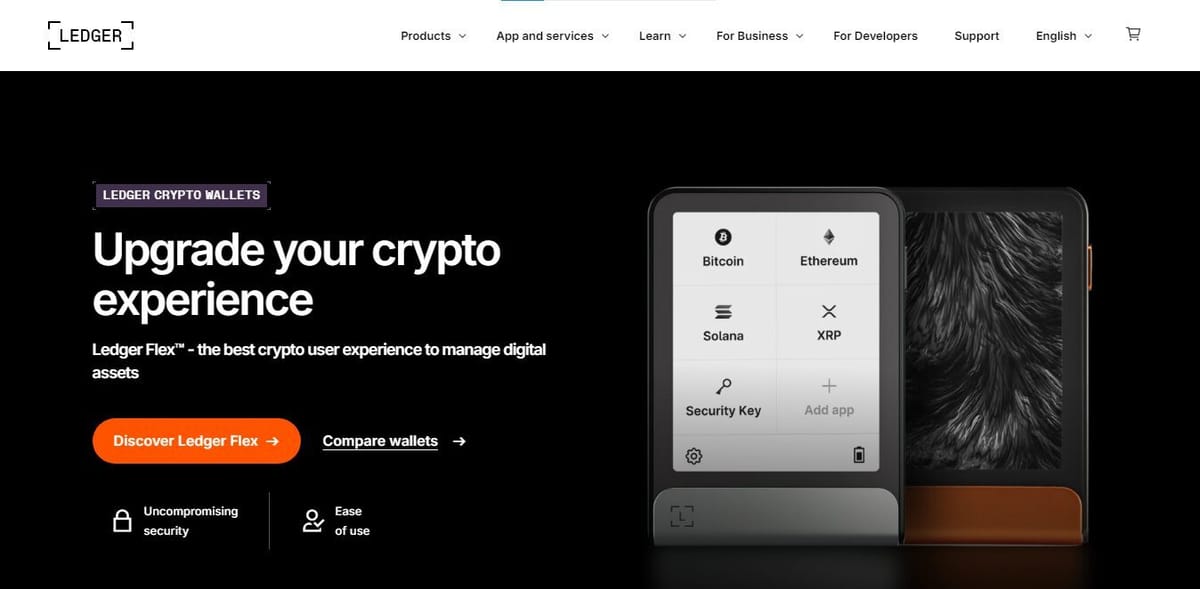
Ledger.com/Start® — Your Complete Guide to Getting Started with a Ledger Hardware Wallet
In the rapidly growing world of digital assets, security has become the number one priority for both beginners and experienced investors. Whether someone manages Bitcoin, Ethereum, NFTs, or hundreds of other crypto assets, the first question always remains the same: Where should these assets be stored so they remain safe, private, and under full user control? This is exactly where Ledger hardware wallets step in. The official onboarding portal, Ledger.com/Start®, serves as the gateway for new users to set up their Ledger Nano S Plus, Nano X, or Stax devices with clarity and confidence. This complete guide is designed to walk you through everything important — what Ledger is, why it matters, how to begin the setup, safety practices, common mistakes to avoid, and how to manage your crypto portfolio securely from day one.
For many users, the world of hardware wallets feels intimidating at first. Questions like “What if I lose the device?”, “How does recovery work?”, and “Can someone hack my crypto?” may appear constantly. The beauty of Ledger’s ecosystem is that it provides a simple, beginner-friendly entry while still offering the highest industry-grade security through its Secure Element chips and offline key storage. The key principle behind Ledger is straightforward: your private keys never leave the device, and because they never connect directly to the internet, the risk of online hacking is minimized dramatically.
Why Ledger.com/Start® Exists
Ledger’s onboarding page, Ledger.com/Start®, is created specifically to prevent new users from falling into fake setup websites or downloading unofficial apps. The crypto world has many scams, phishing pages, and malicious software that imitate real brands. To fight this, Ledger maintains one official and verified starting point. When a user purchases a Ledger device, the packaging and the instructions direct them to this URL. This ensures that customers are guided only by the legitimate setup flow, not by third-party content that could compromise their funds.
The portal simplifies the entire process into a structured, step-by-step pathway. It provides device selection, instructions for installing the Ledger Live app, guides for creating or importing a recovery phrase, and directions for adding crypto accounts. For a complete beginner, the presence of a simple and reliable central hub makes the entire experience far smoother.
Unboxing Your Ledger Device: What to Expect
Before starting the setup, it's important to verify that your device is genuine and properly packaged. A Ledger box typically includes the hardware wallet itself, a USB cable, instructional booklets, and multiple recovery phrase cards. Ledger devices do not come with a prewritten recovery phrase — this is something only you generate during the setup process. If you receive a device with a pre-filled seed phrase, it is a scam, and the wallet must never be used. Ledger.com/Start® clearly lists this warning to protect users from tampered devices.
The hardware wallet casing feels sturdy, compact, and intentionally minimalistic. Every button, screen prompt, and physical feature is designed for security. Because the device is small enough to fit in a pocket, yet fortified with secure chip technology, it blends convenience with strong protection, making it ideal for long-term storage and daily management alike.
Setting Up Your Ledger Using Ledger.com/Start®
Once you navigate to Ledger.com/Start®, the first step is to download Ledger Live, the official companion application. Ledger Live runs on Windows, macOS, Linux, iOS, and Android (depending on the model) and serves as the central interface for managing your device. Through it, you can install crypto apps, check your balances, send and receive assets, stake tokens, and explore Web3 services — all while the device continues protecting your private keys in the background.
The setup workflow unfolds in a few phases:
1. Initial Device Configuration
When you power on your Ledger wallet, the screen guides you to create a new wallet or restore an existing one. For new users, selecting “Set up as new device” generates a unique 24-word recovery phrase. This phrase represents the master key to your digital assets. Ledger will ask you to write it down on the recovery sheet and verify each word. This verification is important because it ensures you copied the phrase correctly without transcription errors.
2. Choosing a Secure PIN
A PIN code acts as the first line of defense. Every time the Ledger wallet is connected or unlocked, the PIN must be entered on the physical device. Even if someone steals the hardware wallet, without the PIN they cannot access your accounts. Choosing a PIN that is non-obvious and not related to personal information boosts security significantly.
3. Understanding the Recovery Phrase
Ledger.com/Start® goes into detail about the recovery phrase because it is the most vital element of crypto self-custody. If the hardware wallet breaks, gets lost, or stops functioning, the recovery phrase allows you to restore your entire crypto portfolio on any compatible Ledger device. It must never be photographed, typed into any computer, stored online, or shared with anyone. Phishing attempts often revolve around tricking users into revealing recovery phrases — understanding this risk early is crucial.
4. Installing Ledger Live and Syncing the Device
After the initial setup, connecting the wallet to Ledger Live activates the dashboard, where you can install blockchain-specific apps. Each blockchain (Bitcoin, Ethereum, Solana, etc.) requires its own small application inside the device. Ledger Live makes installing these apps straightforward with just a few clicks.
Using Ledger Live to Manage Crypto Assets
Once Ledger Live is configured, users can explore its various functions. For someone entering the crypto world, seeing all assets centralized in a single secure interface delivers peace of mind. Ledger Live offers capabilities such as:
Adding Accounts: Each blockchain has its own account structure. For example, to hold Bitcoin you must add a Bitcoin account, and for Ethereum you must add an Ethereum account.
Receiving Crypto: The app generates a receive address, which can be verified directly on your Ledger device. This confirmation prevents address tampering by malware.
Sending Funds: When sending crypto, Ledger always requires physical confirmation on the device itself — a feature that prevents unauthorized transactions.
Purchasing and Swapping: Ledger partners with verified service providers enabling users to buy assets with fiat currency or swap tokens through secure integrations.
Staking and Earning Rewards: Many blockchains support staking, allowing users to earn yield while keeping assets secured on their Ledger device.
Ledger Live’s clean layout, clear prompts, and built-in safety recommendations make it practical for everyday management, even for people who have never interacted with digital wallets before.
Security Principles Reinforced at Ledger.com/Start®
Ledger’s onboarding site emphasizes a few essential rules that every crypto holder should memorize:
Your Recovery Phrase Is Your Responsibility
No one from Ledger will ever ask for your 24 words. If any website, email, message, or support representative requests it, it is a scam. The security model relies entirely on the user’s ability to store these words privately offline.
Your Hardware Wallet Is Your Savings Vault
Unlike browser wallets or mobile wallets, Ledger keeps private keys offline in a secure element chip. This chip is certified to withstand advanced attacks, making hardware wallets the gold standard for self-custody.
Stay on Official Websites Only
Because impersonation pages exist, always type Ledger.com/Start® manually into the browser or use official links from product packaging.
Never Share Screenshots or Photos
Many users mistakenly share pictures of addresses, devices, or recovery cards. Any leak can expose patterns or sensitive elements. Self-custody requires caution and discretion.
Common Mistakes New Users Should Avoid
Even though Ledger.com/Start® simplifies the onboarding journey, new users occasionally repeat the same errors. By being aware of them, you can avoid serious consequences.
Storing the recovery phrase on a phone or cloud storage — This creates a single point of failure vulnerable to hacking.
Using a Ledger device purchased from an unofficial seller — Only buy from official stores or trusted marketplaces.
Falling for recovery-phrase scams — No legitimate service needs your private words.
Skipping firmware updates — Ledger occasionally releases updates to improve performance and security.
Not verifying addresses on the device — Always confirm the receiving address displayed on your Ledger screen.
Leaving the device connected unnecessarily — Disconnect when not in use to minimize exposure.
Avoiding these mistakes ensures you maintain the maximum security benefits hardware wallets provide.
Why Ledger Is Ideal for Long-Term Crypto Security
Unlike centralized exchanges, Ledger gives users full control over their crypto assets. Exchange hacks, insolvency events, and frozen accounts have shown repeatedly that holding crypto in custodial platforms creates unnecessary risk. Ledger’s storage model returns control to the rightful owner — you.
The device requires physical interaction for every signature. Even if Ledger Live is compromised or if a computer contains malware, transactions cannot be executed without the user manually confirming them. This approach blends digital convenience with offline protection, making it one of the most balanced solutions in the entire crypto landscape.
Final Thoughts: Starting Your Crypto Journey with Confidence
Ledger.com/Start® is far more than a setup page — it is the foundation of a secure crypto lifestyle. For newcomers, it removes confusion. For veterans, it acts as a reminder that strong self-custody begins with consistent safety practices. Ledger hardware wallets, combined with the Ledger Live ecosystem, create a secure environment where users can explore finance, Web3, NFTs, DeFi, and decentralized apps without giving up control of their private keys.
Using a Ledger wallet means taking real ownership of your assets. It means converting the abstract idea of “digital value” into something physically protected in your hands. Whether you’re holding long-term investments, building a diverse crypto portfolio, or simply learning how blockchain works, Ledger.com/Start® delivers everything you need to begin — safely, efficiently, and with complete confidence.