Ledger.com/Start® | Getting started
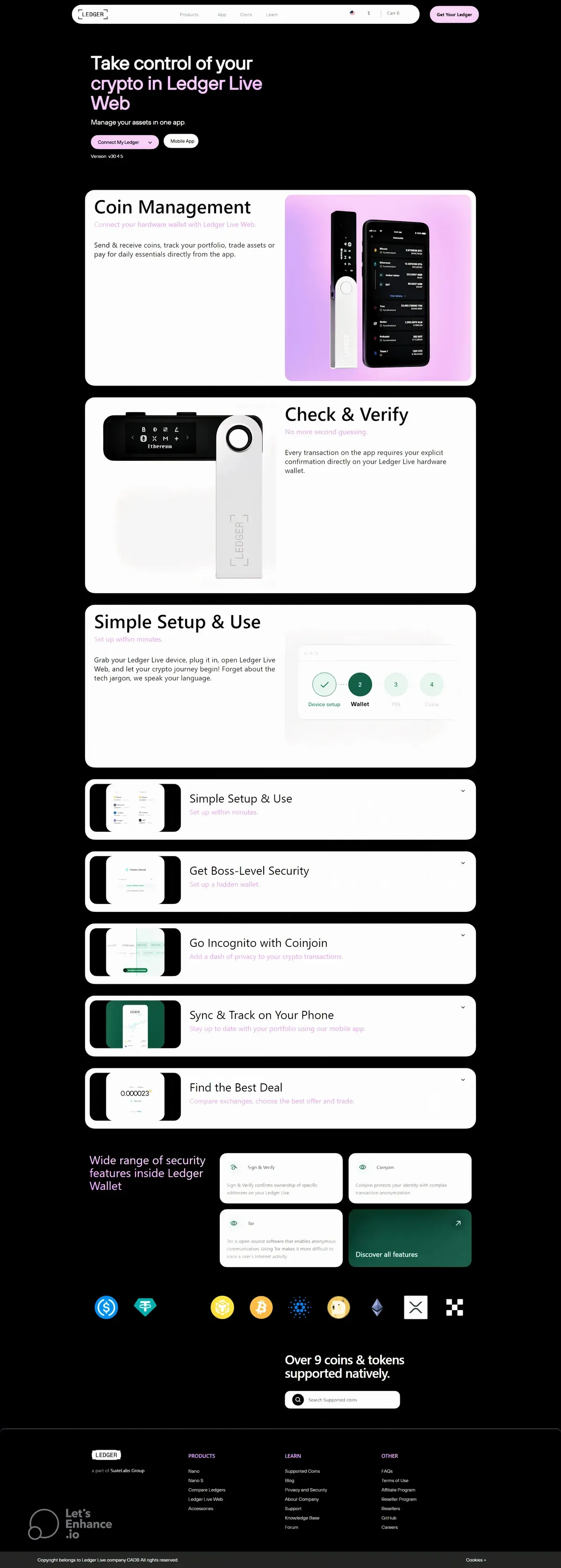
Getting started with Ledger through Ledger.com/Start® is one of the most important steps for anyone entering the world of digital assets with safety, clarity, and confidence. Ledger, as a brand, has established itself as a global leader in hardware-based crypto security, offering individuals the ability to take full control of their cryptocurrencies without relying on centralized third parties. In today’s digital era—where cyber threats, online scams, phishing attacks, and exchange hacks routinely make headlines—owning a secure hardware wallet is no longer a luxury but a necessity. This detailed guide provides a presentation-formatted narrative to help beginners understand exactly how Ledger devices work, how to set them up correctly through Ledger.com/Start, and how to protect their crypto holdings for the long term.
The journey begins by understanding why Ledger is so trusted in the crypto space. Unlike software wallets, exchange wallets, or mobile-only wallet apps, Ledger wallets function as offline physical devices, isolating your private keys from the internet. This is crucial because private keys are essentially the “master password” to your assets, and once they are stolen or leaked, the funds are gone forever. Ledger uses a specially developed operating system, secure-element hardware chips, and sophisticated cryptographic mechanisms to make sure your keys never leave the device. Even when you sign transactions, confirm transfers, or interact with decentralized applications, everything is handled securely inside the device—giving you complete sovereignty over your digital wealth.
Before we go through the technical setup steps, it’s essential to stress that Ledger.com/Start is the only official onboarding portal. Many fake websites, impersonation links, and fraudulent ads might appear online, especially to users searching for “Ledger setup.” These fake pages often attempt to steal recovery phrases or trick users into downloading malicious software. Always verify the URL carefully: it must be Ledger.com/Start, spelled correctly, with SSL protection and no additional characters or alternative domain endings. Bookmarking the page is highly recommended for future use.
When you unbox your brand-new Ledger device—whether it’s a Ledger Nano S Plus, Ledger Nano X, or the newer Ledger Stax—you’ll typically find the device itself, a USB cable, recovery sheets, and documentation. The unboxing phase is more than a simple first impression; it is also a quick authenticity check. Ledger devices come sealed and packaged securely. If the box appears tampered with or if the device looks previously activated, you should immediately contact Ledger support. A legitimate Ledger wallet will never come with a pre-written recovery phrase, and no seller should ever ask for your phrase at any point.
Once you navigate to Ledger.com/Start, you’ll be guided to install Ledger Live, the flagship companion application for desktop and mobile. Ledger Live serves as your command center, enabling you to manage assets, install apps, track market prices, stake crypto, swap tokens, and monitor your entire portfolio in one unified interface. The software is compatible with Windows, macOS, Linux, Android, and iOS, ensuring that users from all environments can operate seamlessly. When downloading Ledger Live, always ensure you get it only from the official site—never from third-party sources or unofficial app stores.
After installing Ledger Live, the setup process walks you through initializing your device. This involves choosing between setting up as a new device or restoring from a recovery phrase. New users should select “Set up as new” and proceed to create a fresh, unique recovery phrase. Advanced users who previously stored crypto on another Ledger or lost their device may choose the “Restore” option—entering the exact 24-word recovery phrase to regain access to their funds.
During the initialization, the Ledger device will generate a 24-word recovery phrase. This phrase is the single most sensitive element of your crypto security. It is the backup key that represents ownership of everything stored in your wallet. If someone else gains this phrase, they can control your assets. If you lose the phrase, Ledger cannot help you recover it. This is why users must write down the phrase by hand, store it in multiple safe offline locations, and never enter it into computers, websites, cloud services, or mobile apps. Ledger emphasizes this security philosophy repeatedly throughout the setup to ensure users understand the responsibility that comes with self-custody.
Once your recovery phrase is securely written down, you’ll be prompted to create a PIN code, typically 4–8 digits. The PIN protects your device from unauthorized physical access. Even if someone steals your Ledger device, they cannot access your funds without the PIN and recovery phrase. For additional security, some advanced users set up passphrases, which function as a 25th word; however, this is optional and primarily intended for experienced individuals.
After the initial setup, Ledger Live will ask you to run a genuine check, which verifies that your Ledger device is authentic. This is a built-in hardware verification step that interacts with Ledger’s secure servers to confirm the device wasn’t altered or tampered with. Only after passing the genuine check can you proceed with installing apps for various cryptocurrencies.
At this point, the fun part begins—adding accounts and managing assets. Ledger Live supports an extensive range of cryptocurrencies, including Bitcoin, Ethereum, Litecoin, XRP, Cardano, Polygon, Solana, Polkadot, and thousands of ERC-20 and NFT tokens. Each blockchain requires a separate app installation on the Ledger device. For example, if you want to store Bitcoin, you install the Bitcoin app; if you want to use Ethereum-based tokens, you install the Ethereum app. Ledger devices have limited storage, so apps can be installed and removed as needed without affecting your funds, because the private keys remain safely stored on the device.
Once your accounts are added, you can begin transferring funds into your Ledger-secured wallets. When receiving crypto, Ledger Live will generate an address unique to your device. It’s important always to verify the receiving address directly on the Ledger device screen, not just on your computer. This step ensures that no malware or browser exploit altered the address on your display. Ledger’s security principles are built around this idea: always trust the hardware screen, not the computer screen.
With your wallet fully configured, Ledger Live provides a wide range of functionality tailored for long-term crypto management. Users can explore staking options to earn rewards on assets like Ethereum, Solana, Polkadot, and Tezos. They can swap one cryptocurrency for another through integrated platforms without compromising private keys. They can also connect to Web3 applications, DeFi platforms, NFT marketplaces, and decentralized exchanges using tools like Ledger Connect or WalletConnect. Through all these interactions, transactions must always be confirmed physically on the Ledger device, preventing unauthorized, hidden, or malicious operations.
Beyond these features, Ledger also offers enhanced security options such as firmware updates. Keeping firmware up to date is crucial because Ledger regularly releases security improvements and performance enhancements. Ledger Live will notify you whenever an update is available, and the process is straightforward. During updates, your funds remain safe because they are tied to your recovery phrase, not the firmware version.
For long-term safety, it’s wise to adopt robust backup strategies. Many users engrave their 24-word phrase onto metal backup plates designed to resist fire, water, corrosion, and physical damage. Others store their recovery sheet in safes, lockers, or bank vaults. No matter the approach, never take photos of your recovery phrase, never store it online, and never share it with anyone pretending to be Ledger support. Ledger support will never ask for your 24 words—ever.
Ledger.com/Start also provides rich educational materials, troubleshooting steps, FAQs, and video tutorials for all experience levels. Whether you are learning how to connect your wallet, troubleshoot device errors, manage multiple accounts, or explore DeFi integrations, the platform serves as a central knowledge hub for maximizing your Ledger experience.
Ultimately, using Ledger through Ledger.com/Start empowers individuals to become their own bank with full digital independence. In a time where central exchanges have failed, companies collapsed, and cybercrime is rising, owning a hardware wallet stands as one of the smartest decisions for safeguarding personal digital wealth. Ledger transforms complex cryptography into accessible, user-friendly security—giving everyone from beginners to professionals the peace of mind they deserve.